
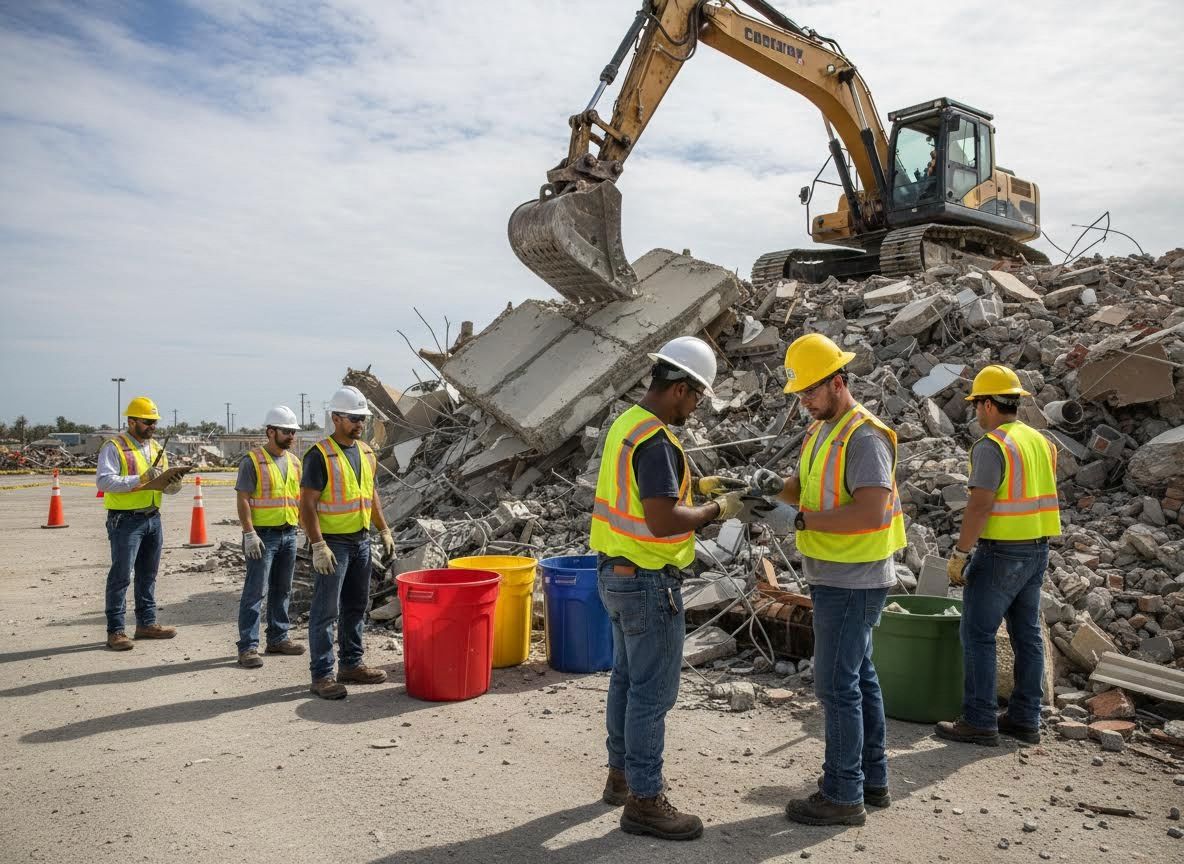
In the aftermath of a disaster, the immediate priority shifts to recovery, and a crucial aspect of this process is efficient and safe debris removal. This operation is not merely about clearing rubble; it demands meticulous planning, adherence to stringent safety standards, and thorough regulatory compliance to protect workers, the public, and the environment. Strategic Global Resources understands the complexities involved, providing the essential support needed to transform a chaotic scene into an organized recovery effort. Ensuring safety and compliance is paramount, forming the bedrock of any successful and responsible disaster response.
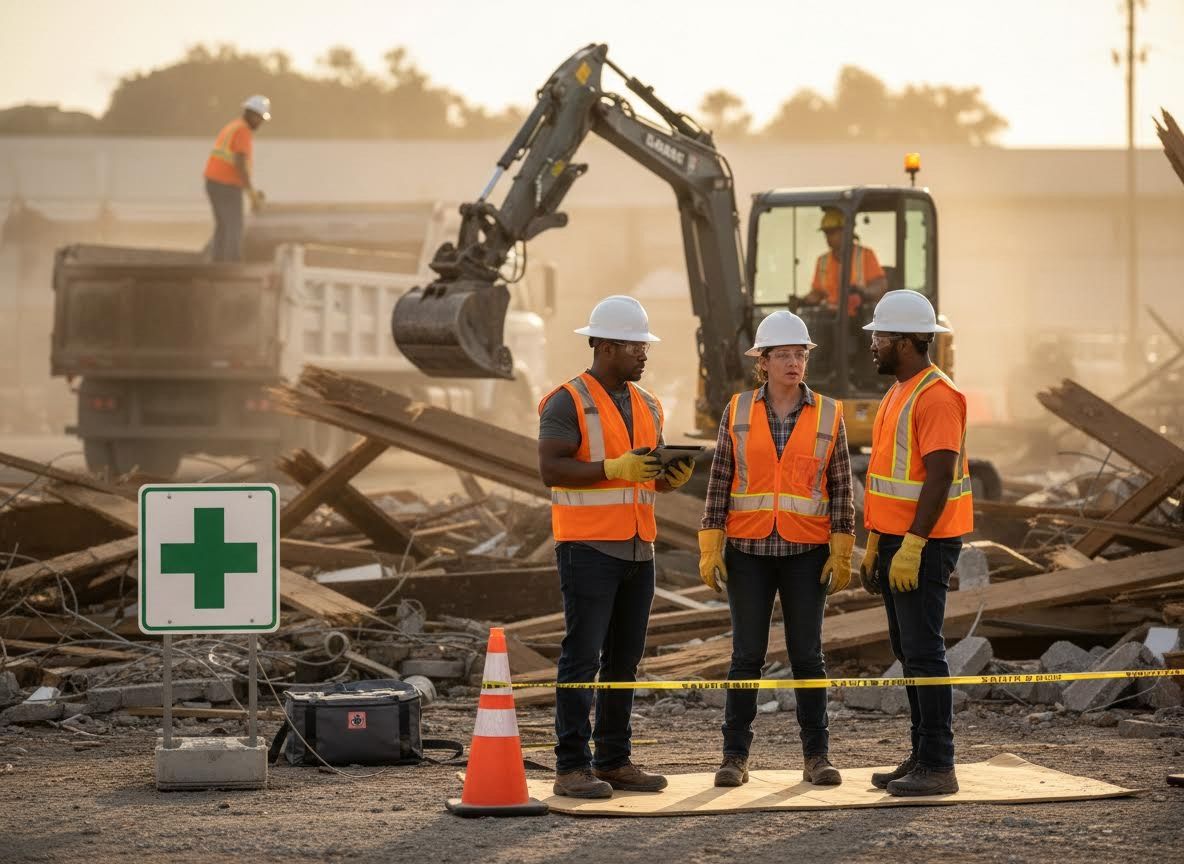
Prioritizing Worker and Public Safety
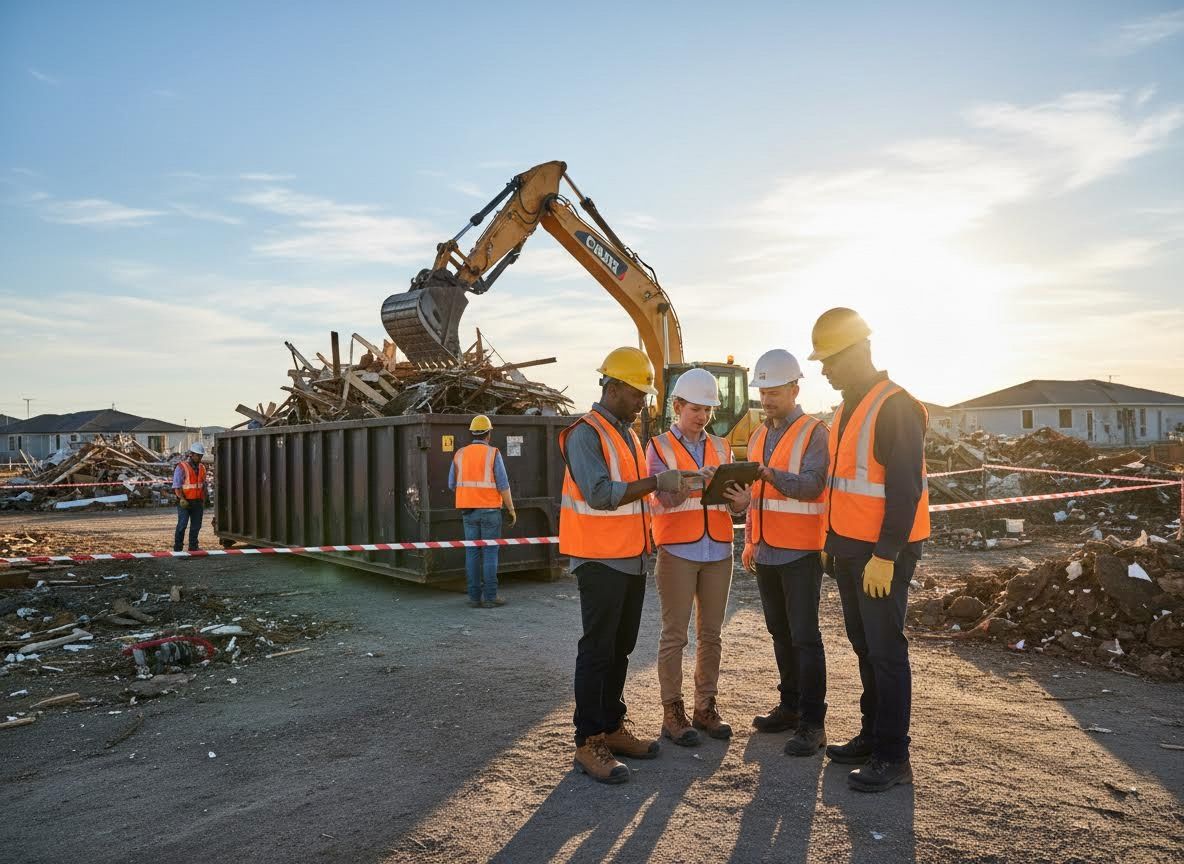
Debris removal sites are inherently hazardous environments, presenting risks from unstable structures, sharp objects, hazardous materials, and heavy machinery. Establishing and rigorously enforcing comprehensive safety protocols is non-negotiable. This includes mandatory personal protective equipment (PPE), clear communication channels, designated safe zones, and continuous hazard assessment. Training personnel on safe operating procedures for specialized equipment is critical, as is ensuring proper supervision to identify and mitigate risks in real-time. A proactive approach to safety not only safeguards lives but also prevents costly delays and potential liabilities, reinforcing the reliability of the entire operation.
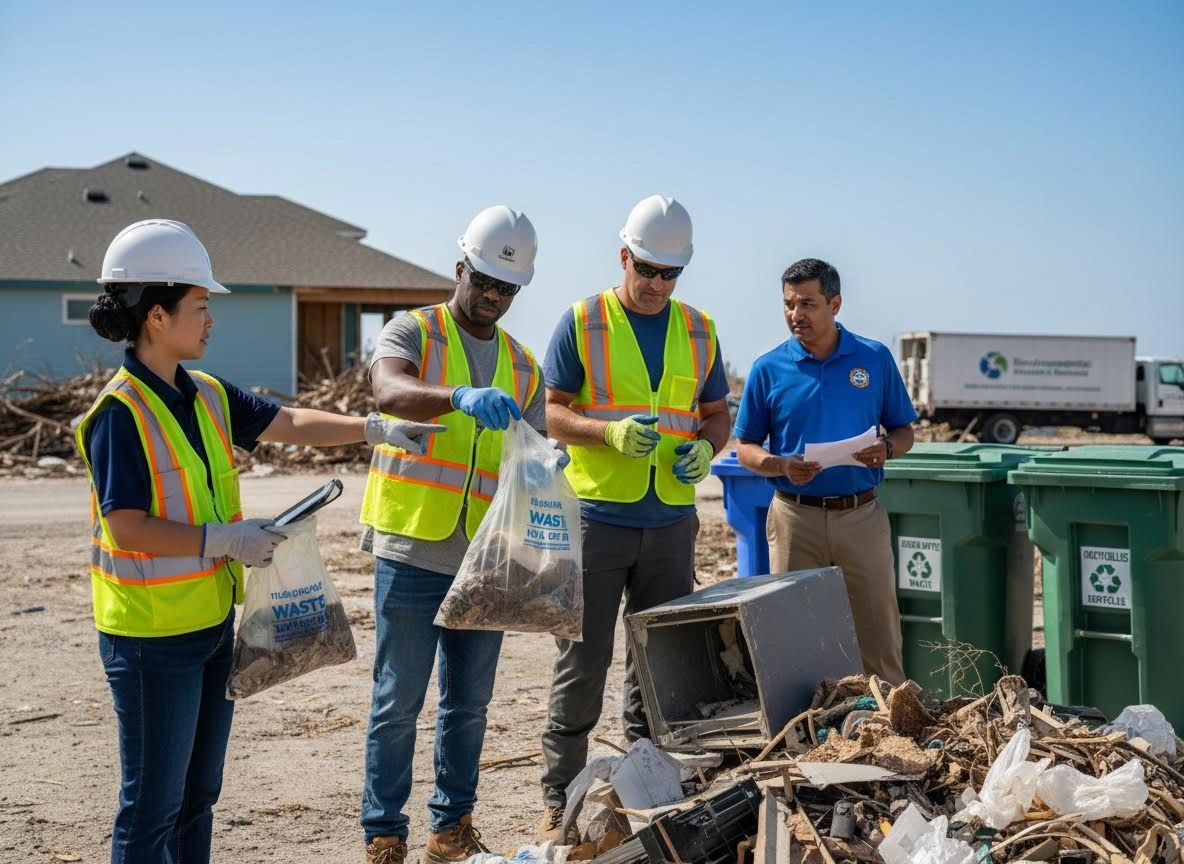
Navigating Regulatory Frameworks and Environmental Compliance
Beyond immediate safety concerns, debris removal operations must meticulously adhere to a complex web of local, state, and federal regulations. This often involves compliance with environmental protection agency (EPA) guidelines for hazardous waste disposal, Occupational Safety and Health Administration (OSHA) standards for workplace safety, and local ordinances pertaining to debris classification, transportation, and disposal sites. Understanding these mandates from the outset is essential to avoid penalties, environmental damage, and legal repercussions. Proper documentation, waste segregation, and authorized disposal are key components of a compliant operation, reflecting a commitment to responsible recovery.
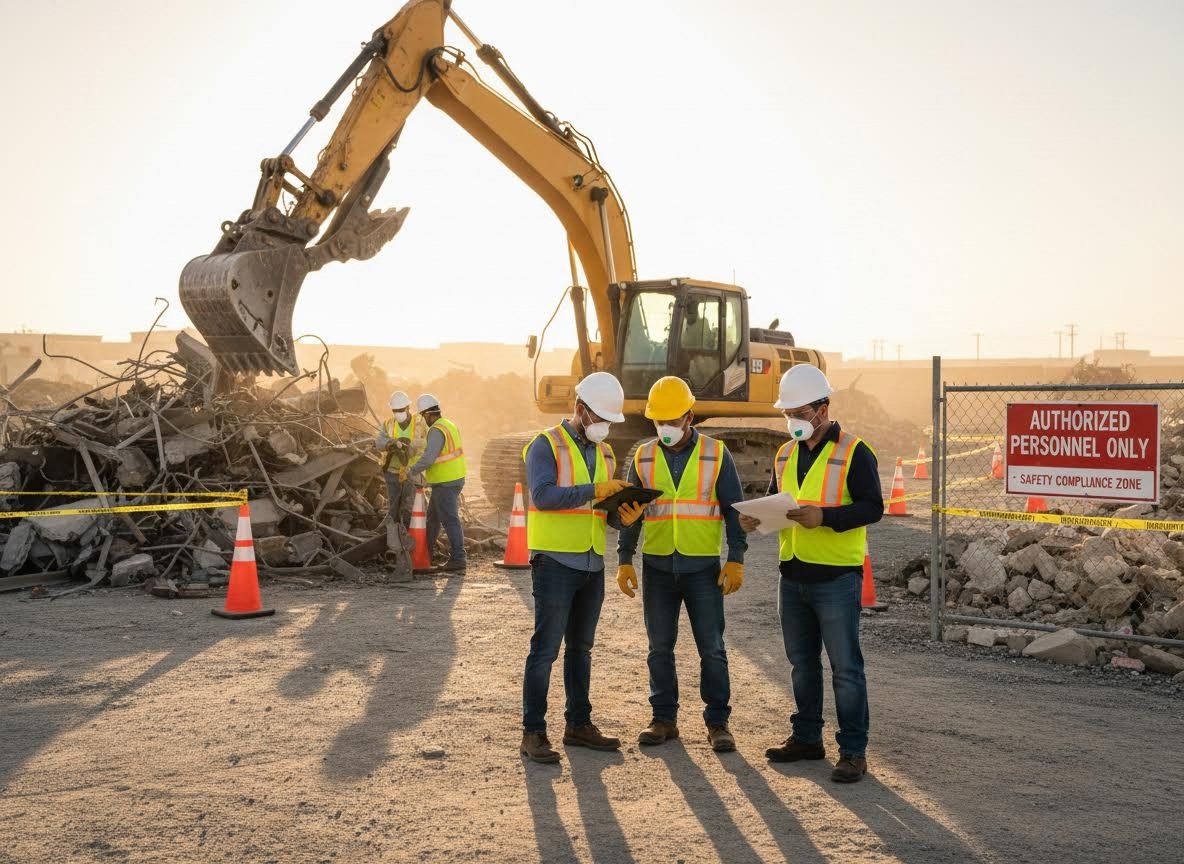
The Indispensable Role of Specialized Equipment and Strategic Planning
Effective debris removal hinges on the availability of the right tools and a well-orchestrated plan. From heavy excavators and loaders for large-scale clearing to specialized compactors and grinders, having access to reliable, high-performance restoration equipment rentals is critical. However, equipment alone is insufficient; a comprehensive logistics strategy, including staging areas, transportation routes, and disposal site coordination, is equally vital. Strategic planning ensures that debris is moved efficiently, minimizes traffic disruption, and contributes to the overall speed and effectiveness of the recovery process. Access to appropriate disaster restoration equipment empowers a restoration company to execute its mission safely and efficiently.
A Partnership for Resilient Recovery
Successfully managing debris removal after a significant event requires more than just operational capacity; it demands a dependable and strategic partner. By focusing on stringent safety protocols, navigating complex compliance requirements, and deploying the right restoration equipment rentals with precise planning, the path to recovery becomes clearer and more efficient. Strategic Global Resources is dedicated to providing turnkey solutions, ensuring that every phase of your debris removal operation is supported by expert knowledge and reliable resources. To learn more about how a comprehensive approach to equipment and logistics can fortify your disaster response strategy, explore our range of solutions and partnership opportunities.